Schools to Become Frontline for Students Mental Health in PNG
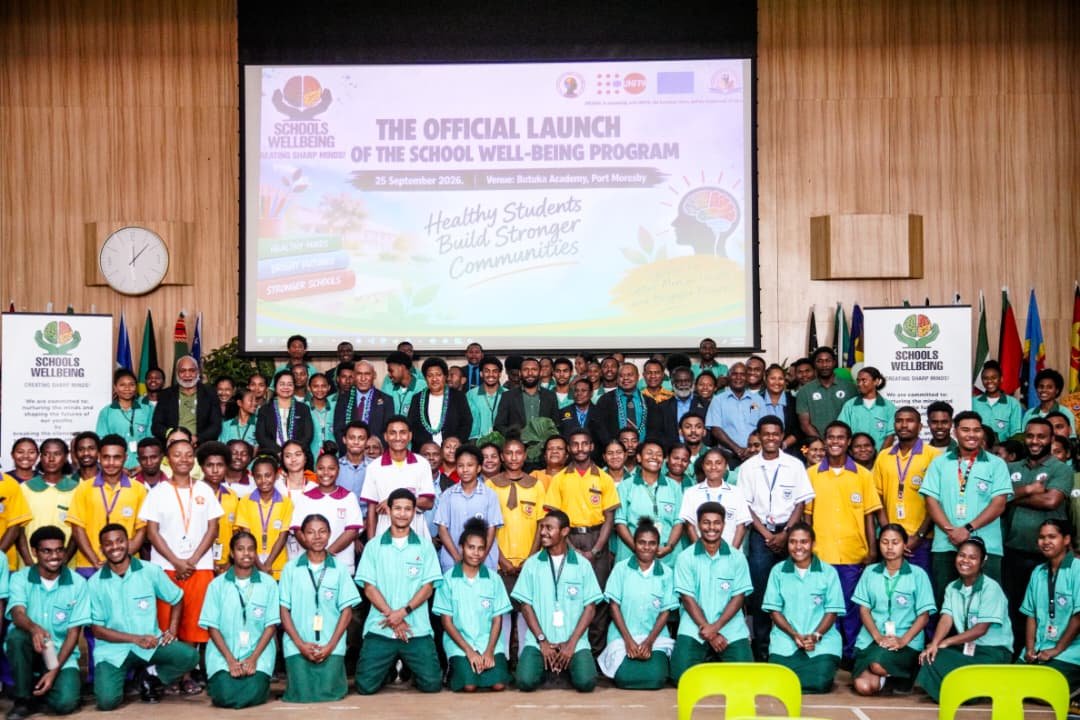
A new School Mental Health Promotion Program aimed at promoting and prioritising the mental wellbeing of students across Papua New Guinea was officially launched at Butuka Academy in Port Moresby on Friday, 25 September 2026.
The program is an initiative of the Directorate for Social Change and Mental Health Services (DSCMHS), in partnership with the National Department of Education and the United Nations Population Fund (UNFPA).
The initiative seeks to strengthen mental health promotion among students by addressing issues such as stress, substance abuse, peer pressure, harmful behaviours and limited access to support services.
Through awareness, education and early intervention, the program aims to nurture healthy minds, build resilience and create safe and supportive learning environments in schools.
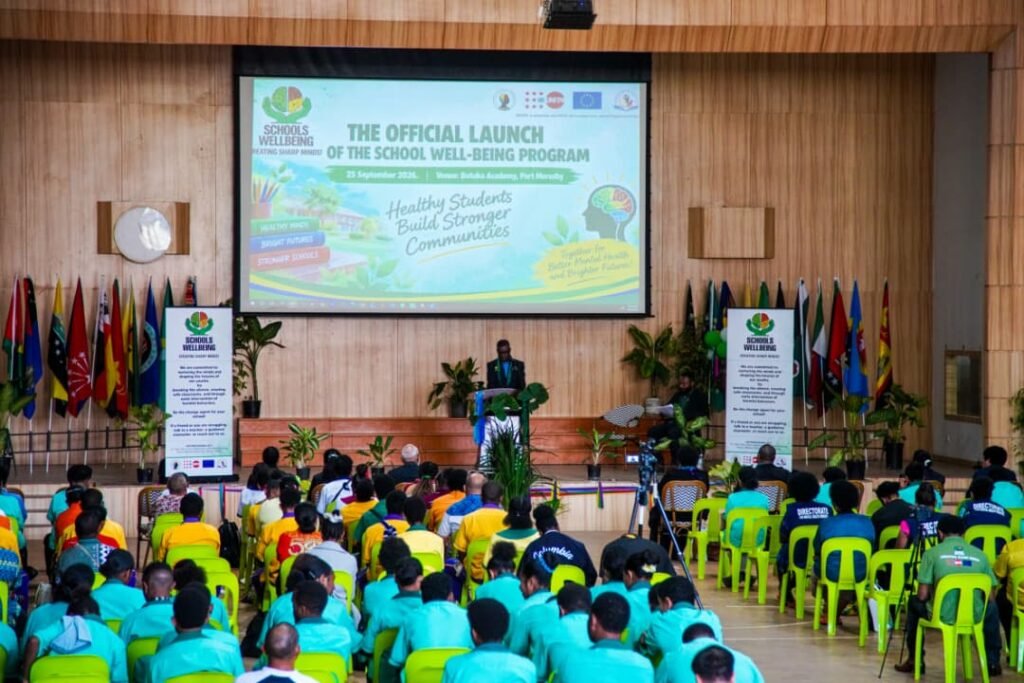
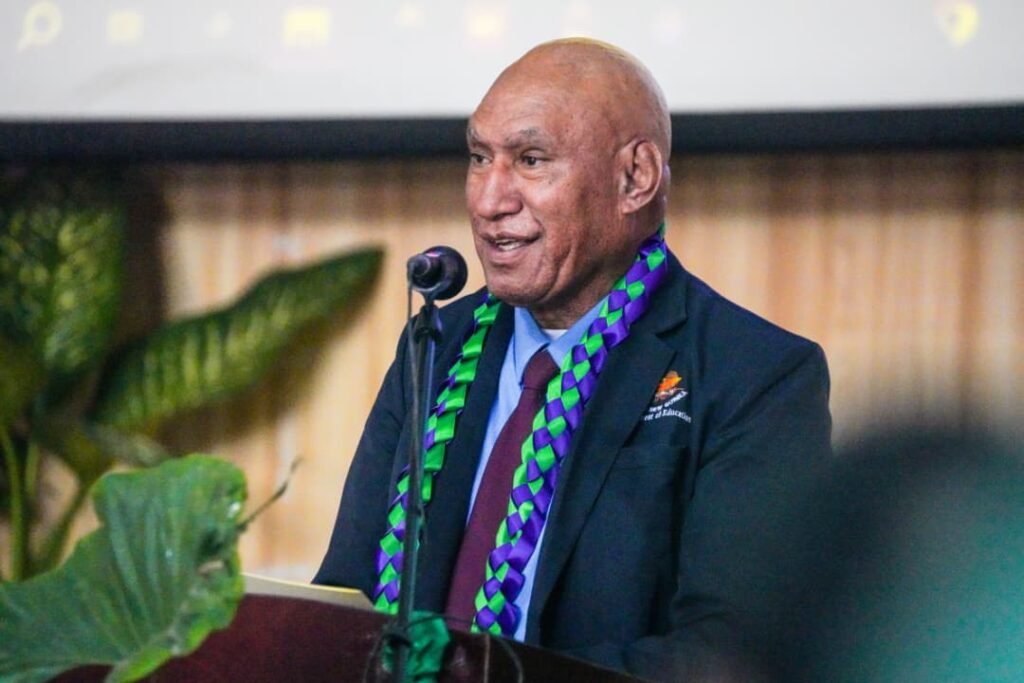
Launching the program, DSCMHS Acting Director Nelson Mek said there was a common misconception that mental health was only associated with mental illness and psychiatric treatment.
“When people hear about mental health, they think about Laloki, but this is not the case. Mental health is about social wellbeing. It’s about having a healthy mind. It’s about preventing mental illness. Mental health is for everyone. Those who are sick go to Laloki for treatment,” Mek said.
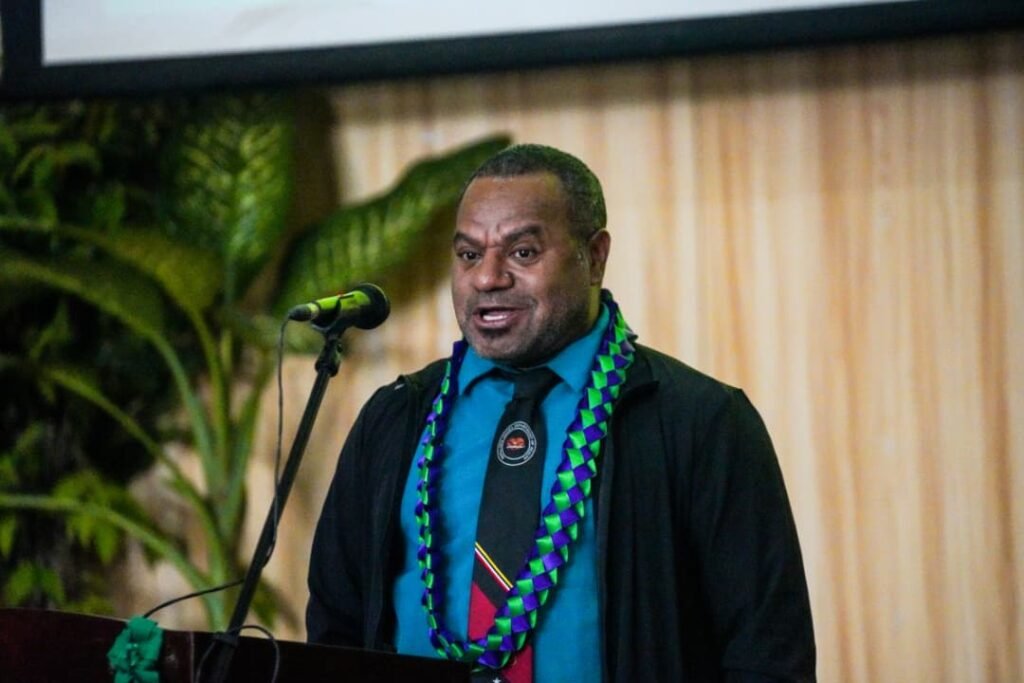
He said the program would strengthen the capacity of school guidance officers by equipping them with knowledge to support students when mental health concerns arise.
“Guidance officers in schools will be equipped with the proper knowledge so when mental health issues arise, they can impart guidance to the students,” Mek said.
DSCMHS Assistant Director Dr Michael Mai said student wellbeing was fundamental to creating an environment where young people could learn and develop effectively.
“School wellbeing is the foundation upon which we can impart knowledge in our schools. When we have wellbeing in the schools, the students develop sharp minds,” Dr Mai said.
He described the launch as the first step in a broader effort to change perceptions about mental health and reach schools across the country.
“The launching of the School Wellbeing Program is the first step in this journey to reach the country in changing our mindsets, starting in schools,” he said.
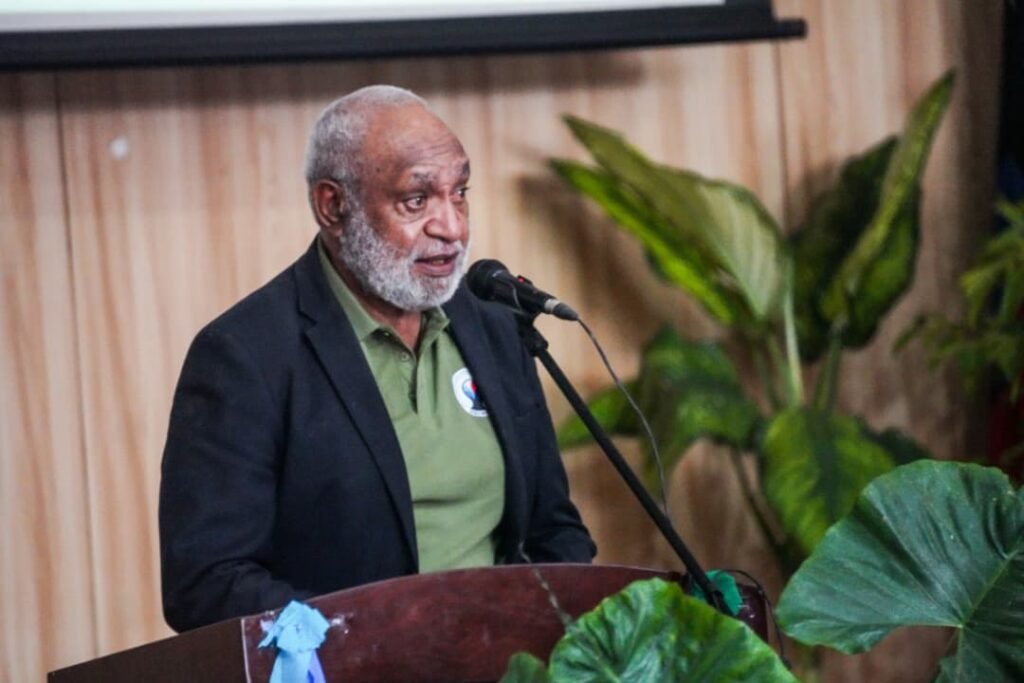
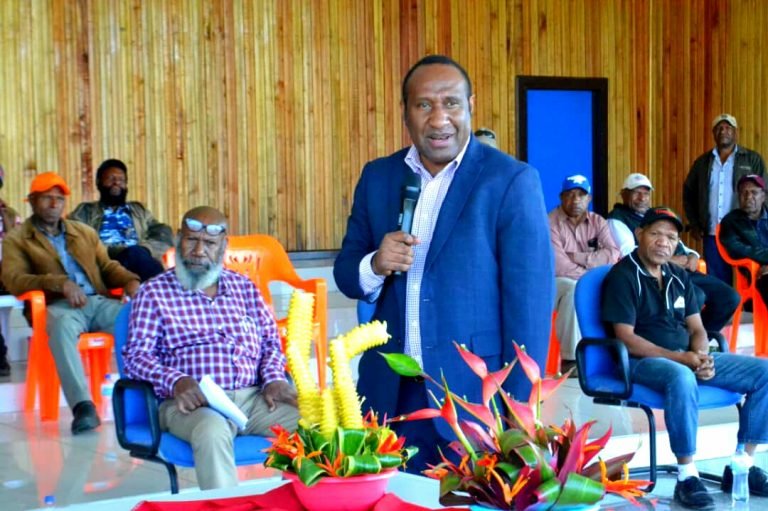
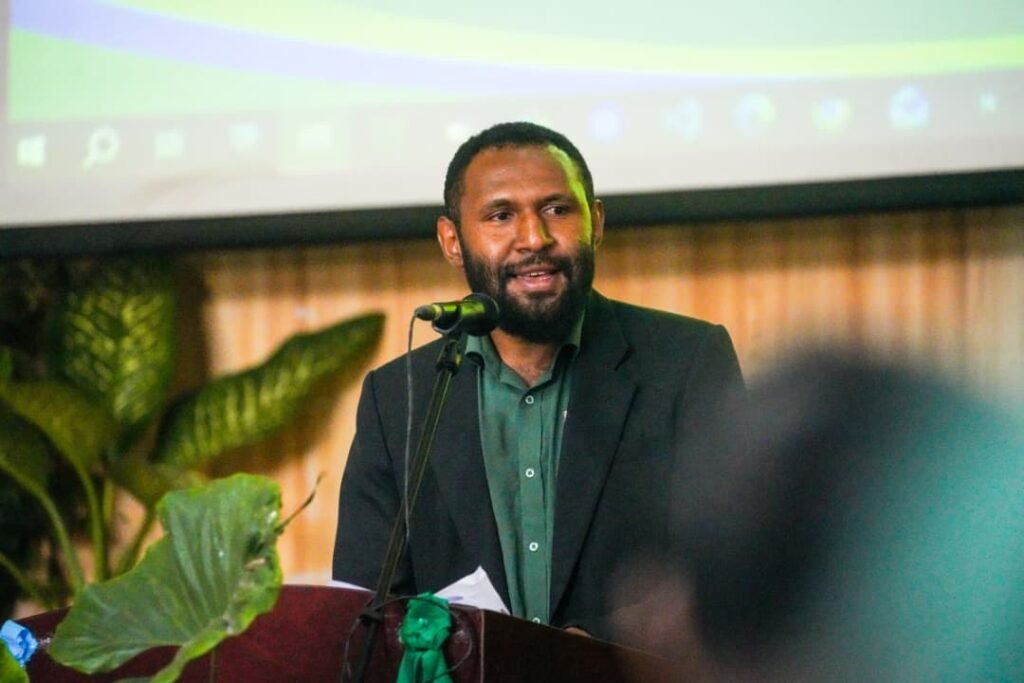
DSCMHS Assistant Director Dr Michael Mai
Dr Mai said the program would initially begin in schools in the National Capital District before expanding into identified hotspots in the Highlands provinces in the coming months.
United Nations Resident Coordinator Ms Shalini Bahuguna highlighted the important role schools play in shaping the lives and futures of young people.
“Schools are more than places where young children receive an education. It is a place where they spend most of the important days of their youth. It is a place for learning, grooming, building relationships and shaping their path,” Bahuguna said.
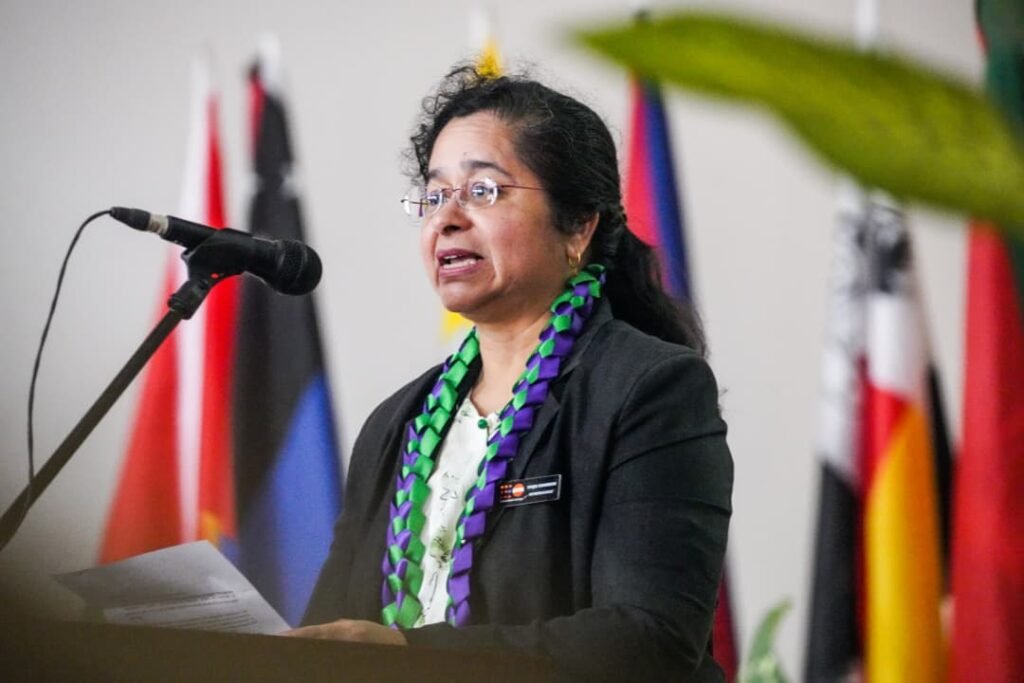
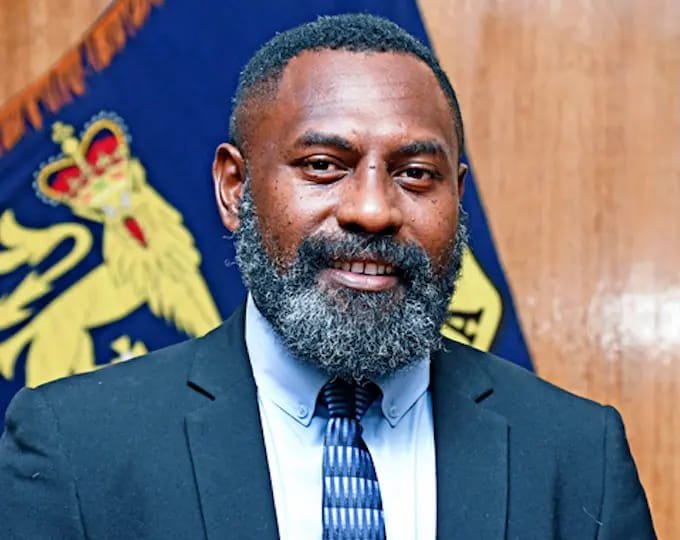
United Nations Resident Coordinator Ms Shalini Bahuguna
She said creating safe, caring and compassionate school environments would help students develop confidence, resilience and life skills.
“When we create safe, caring and compassionate environments, we do more than protect our young people from harm. We build confidence, resilience, life skills and the capacity to overcome challenges so they may reach their full potential,” she said.
Bahuguna called on government agencies, educators and civil society organisations to work together to ensure mental health support is accessible to young people across the country.
“To our government partners, educators and civil society partners, let us work together to make mental health support available to every young person, from our urban centres to our most remote communities,” she said.
National Department of Health Acting Deputy Secretary Dr Pilly Mapira said the initiative represented more than an awareness campaign, emphasising the importance of prevention and health promotion.
“Today we are launching more than an awareness program. We are enforcing a very important principle — there can be no healthy nation without healthy children, healthy schools and healthy minds,” Dr Mapira said.
She said the Department’s responsibility extended beyond treating people when they became sick.
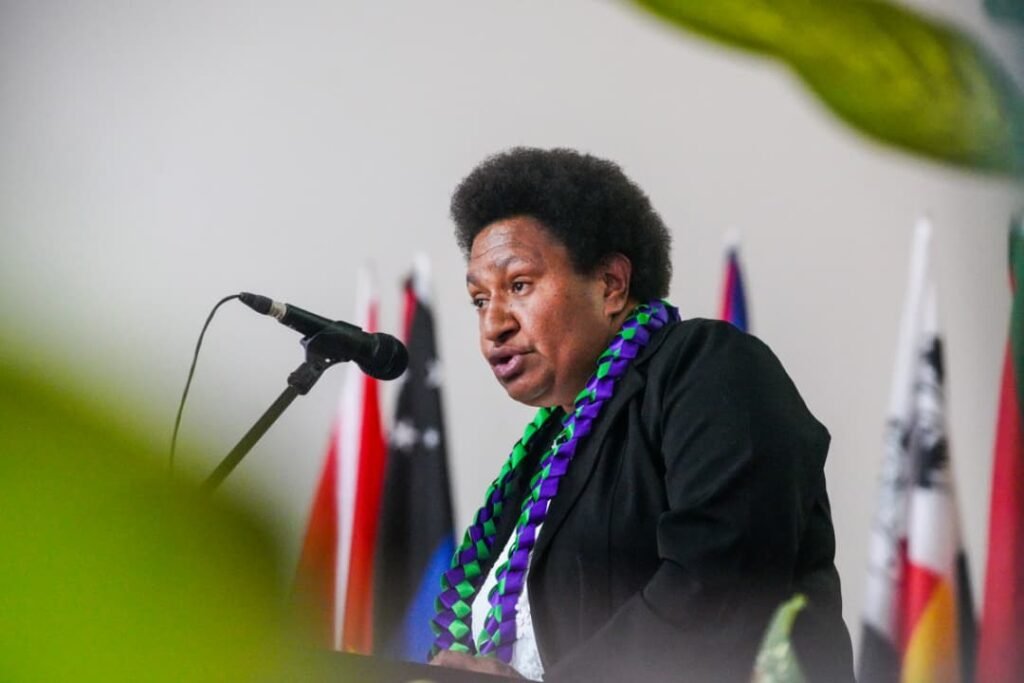
“Our priorities include preventing diseases, promoting health and creating environments that enable our people and our students to live healthy, productive and fulfilling lives,” she said.
Dr Mapira said mental wellbeing was closely connected to a child’s ability to learn, participate and reach their potential.
“A child who is physically healthy but struggling mentally may not achieve his or her full potential. Similarly, education without character, discipline and a healthy mindset will not necessarily produce the kind of citizens our country needs,” she said.
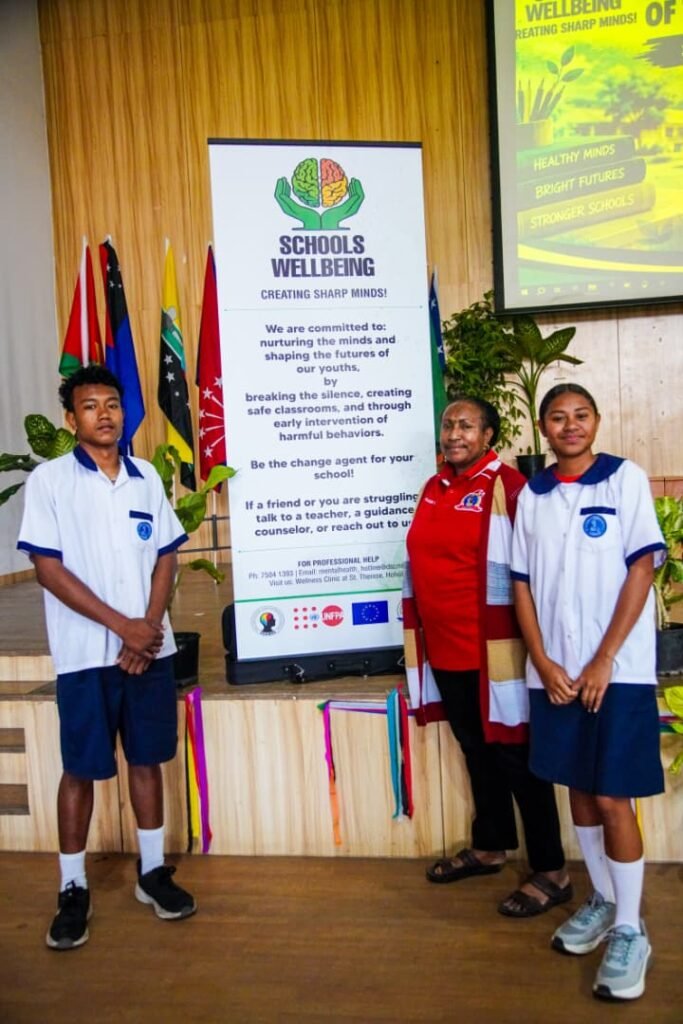
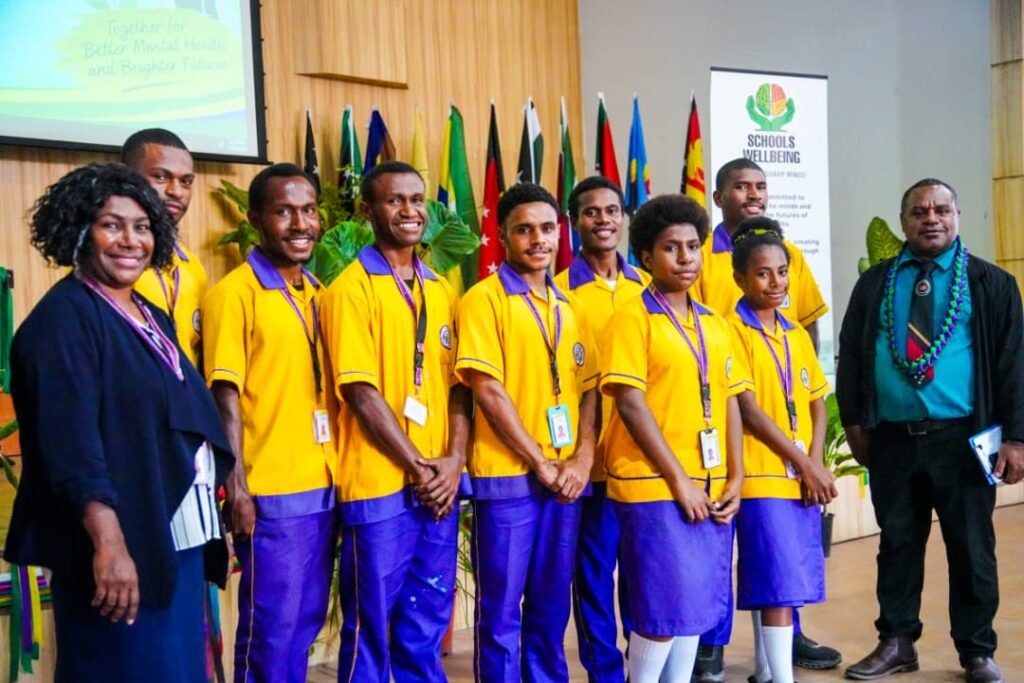
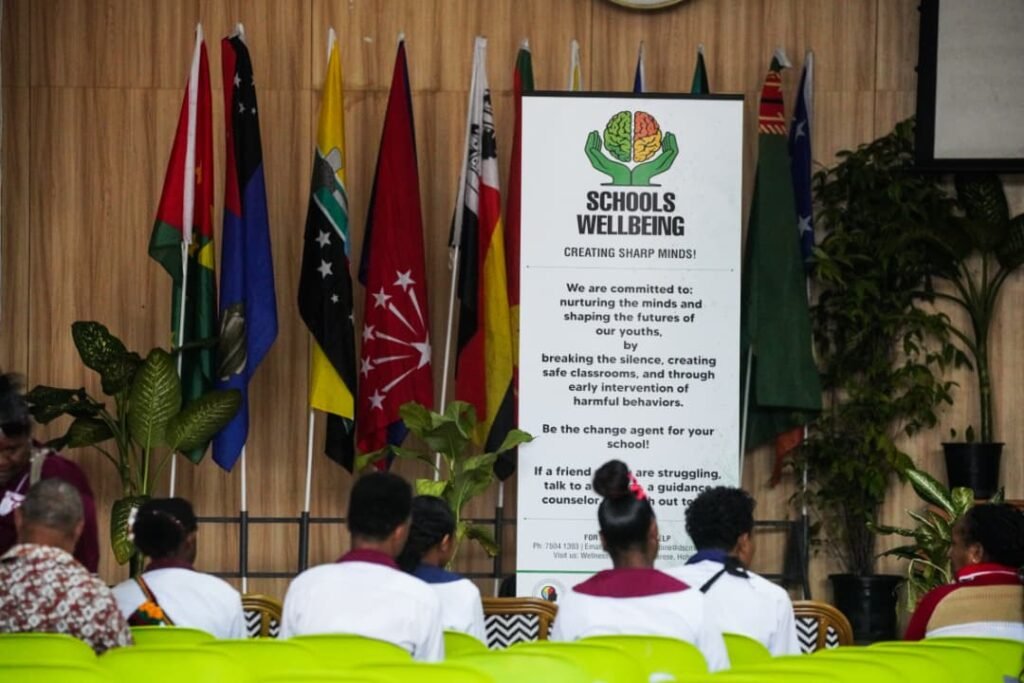
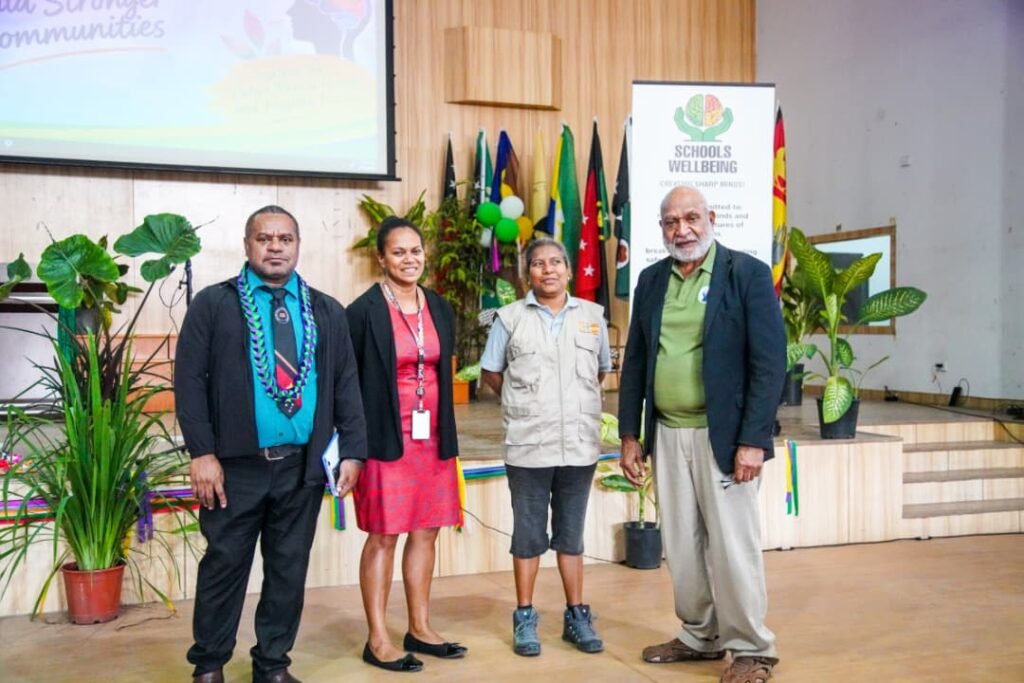

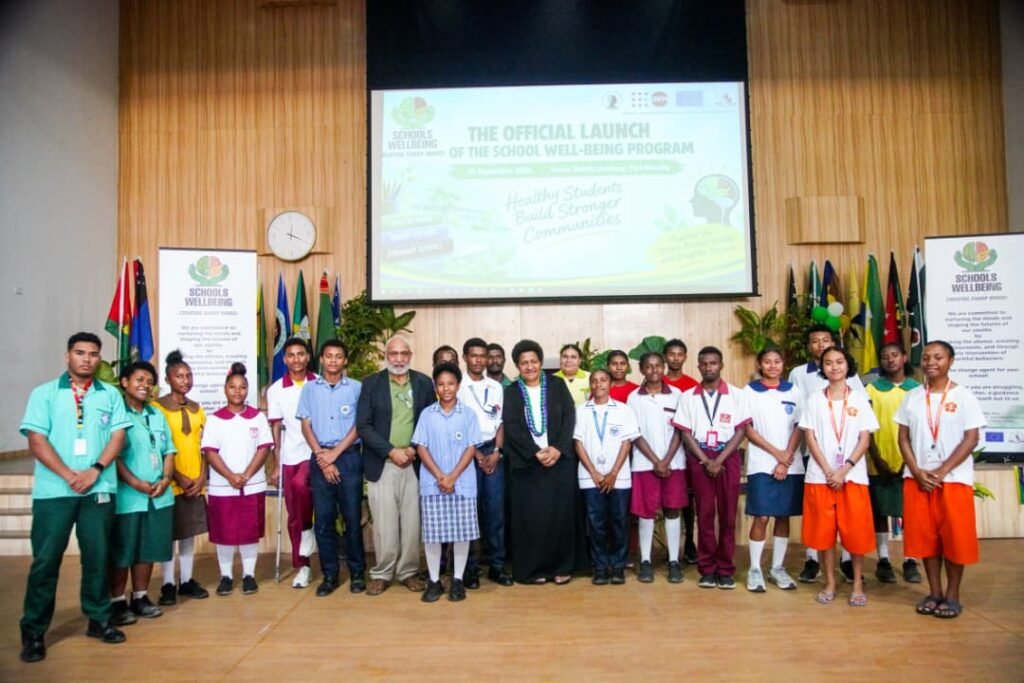
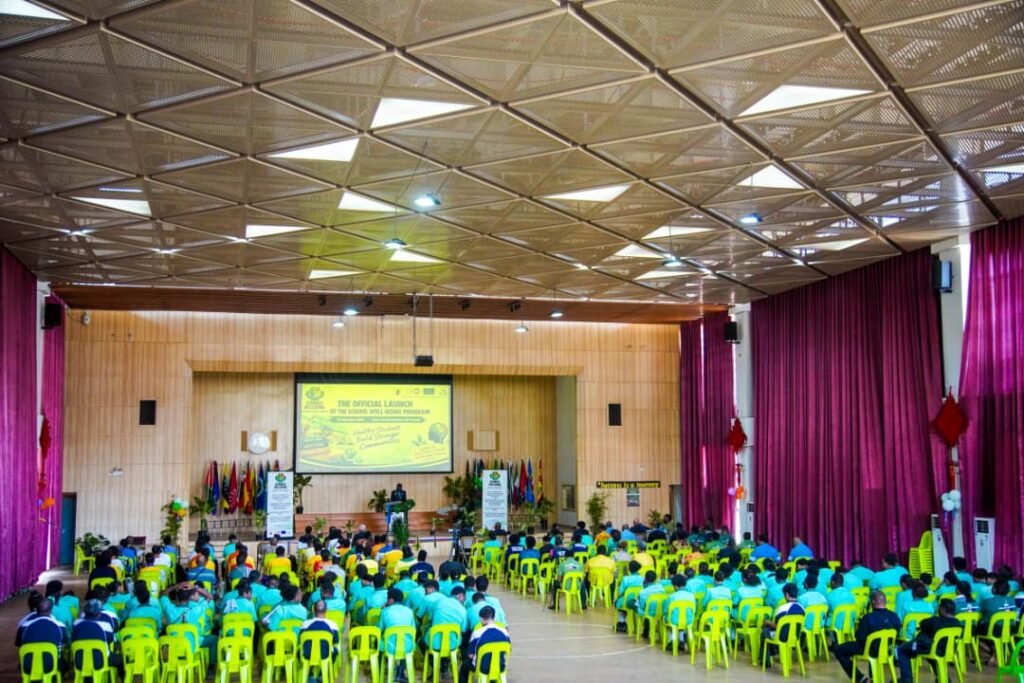
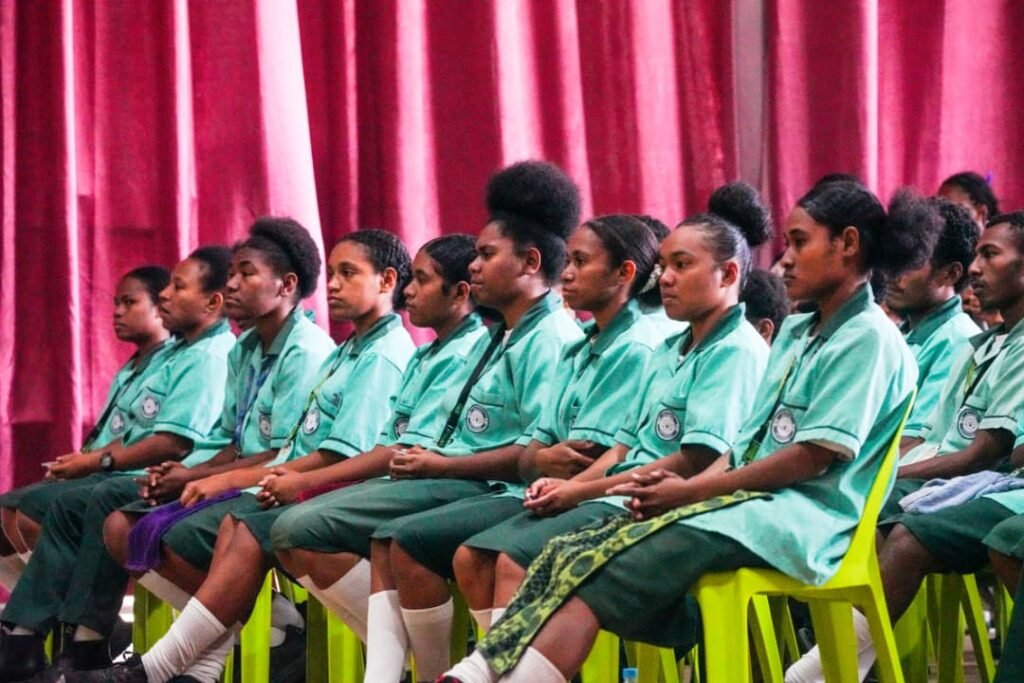
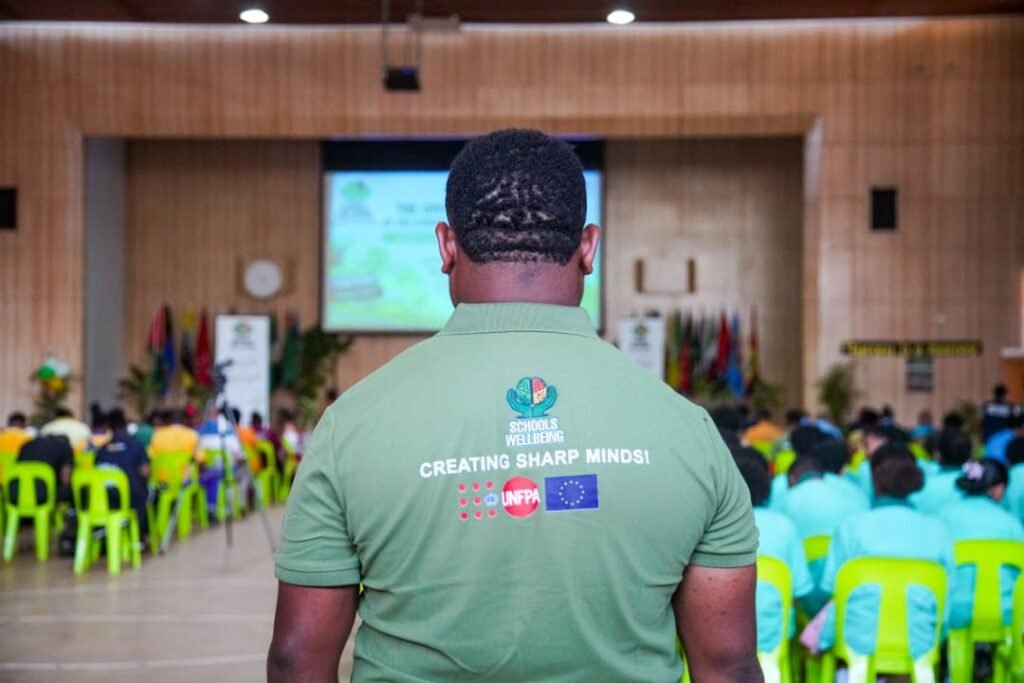
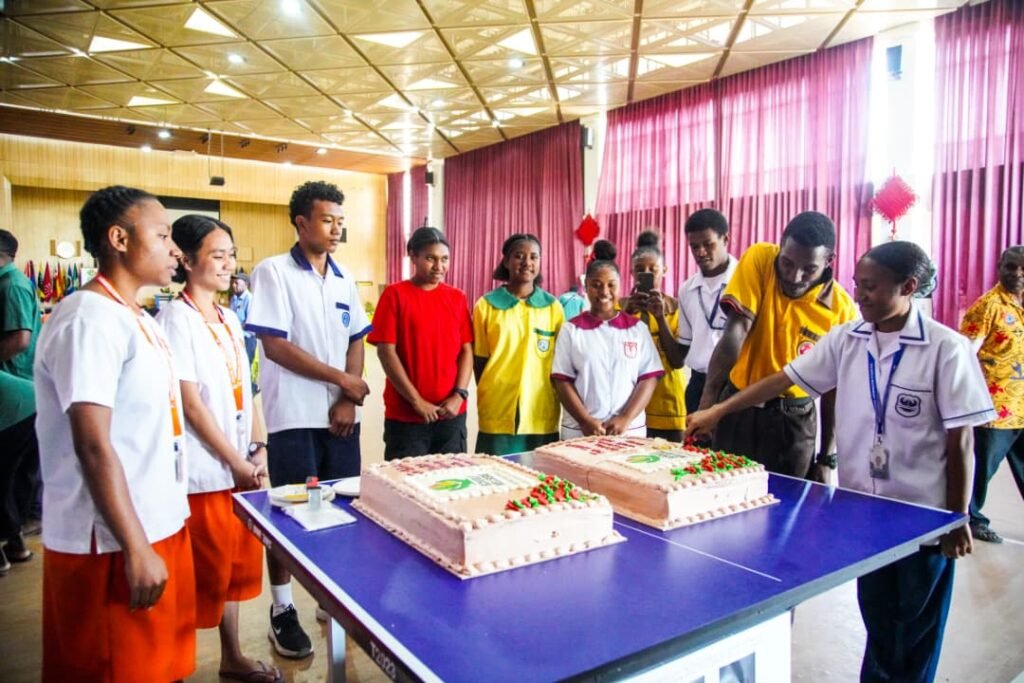
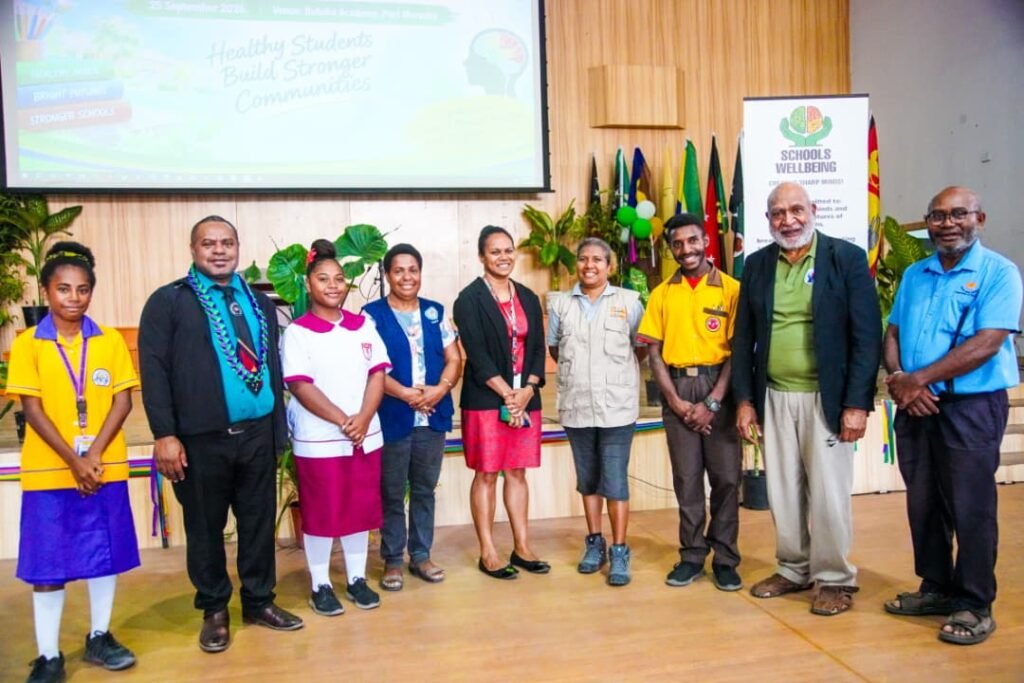
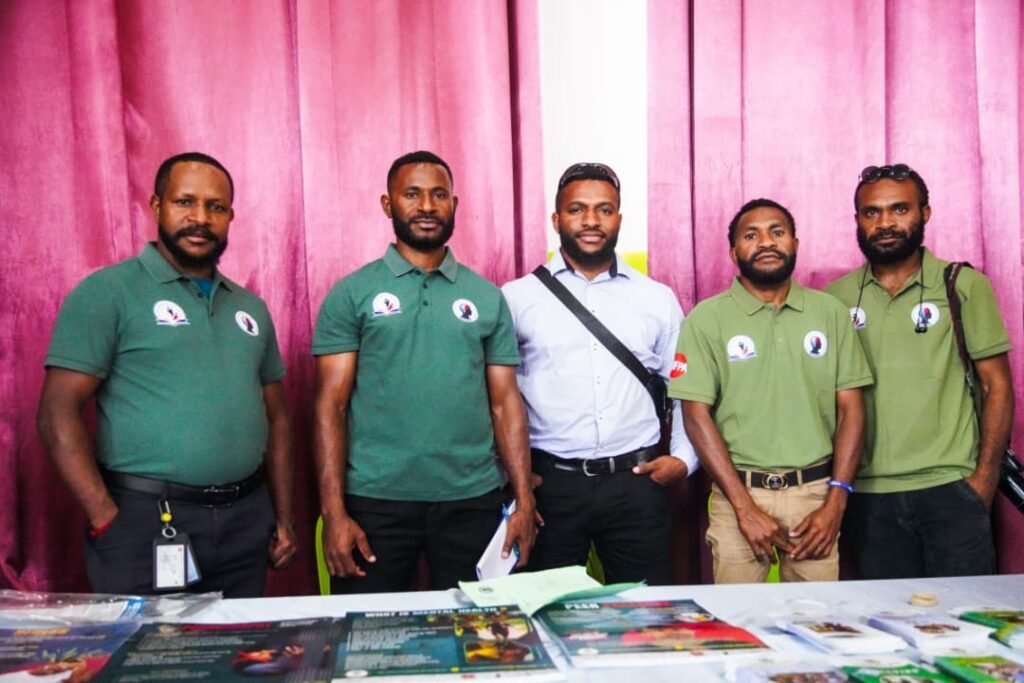
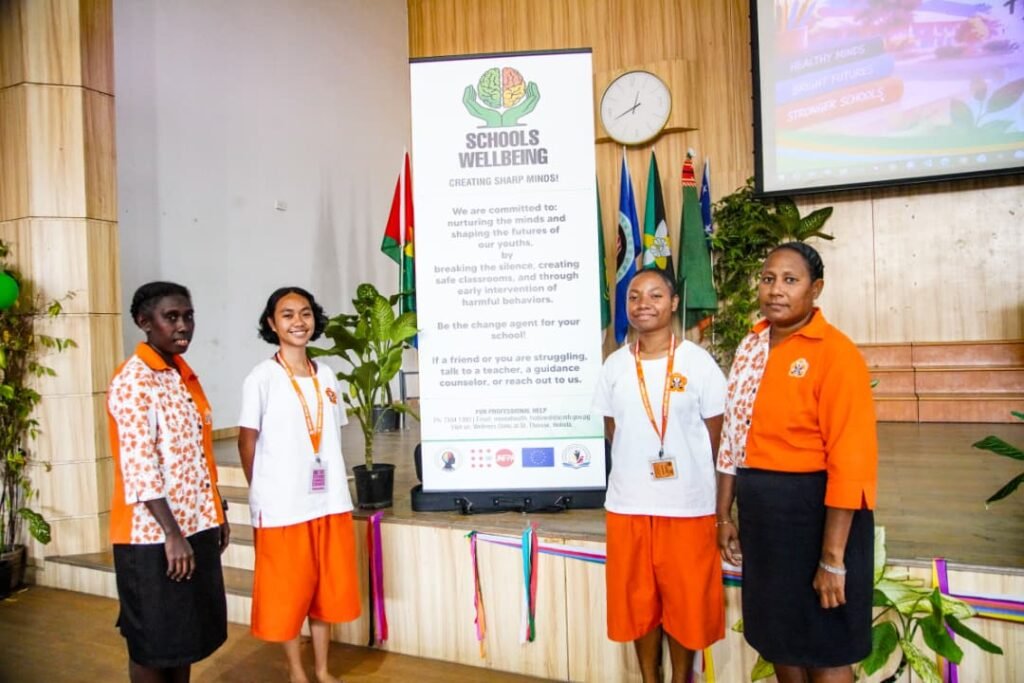
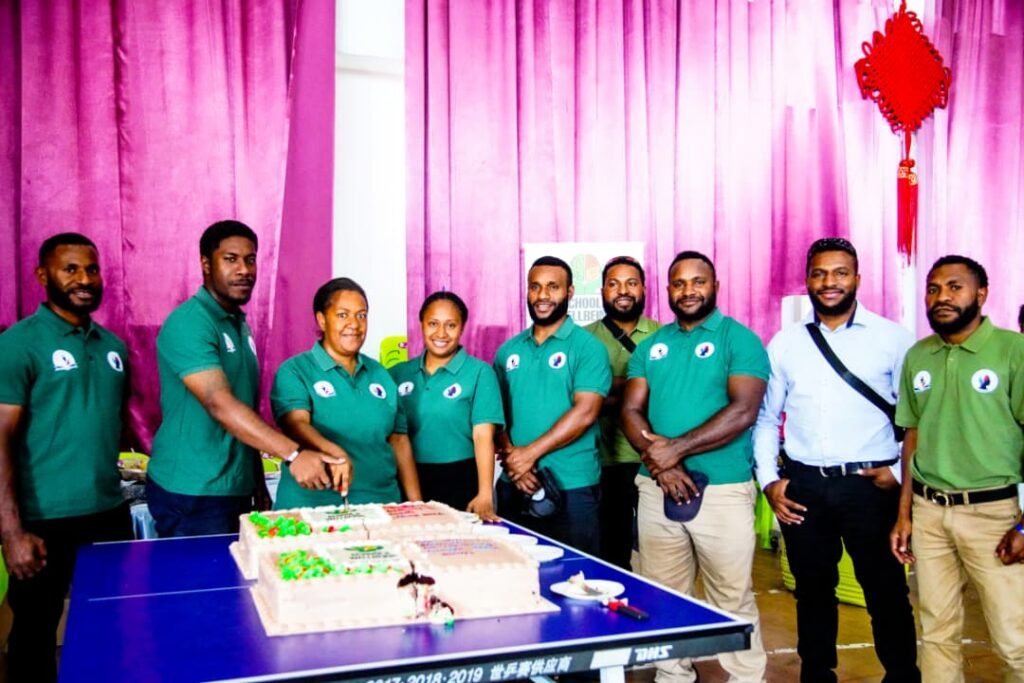
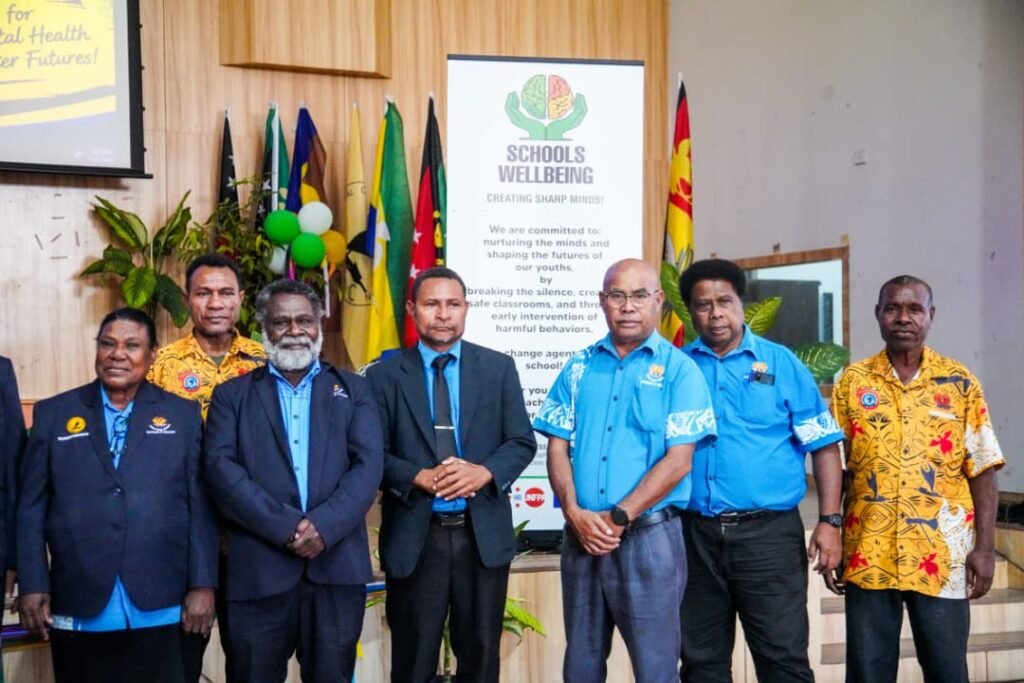

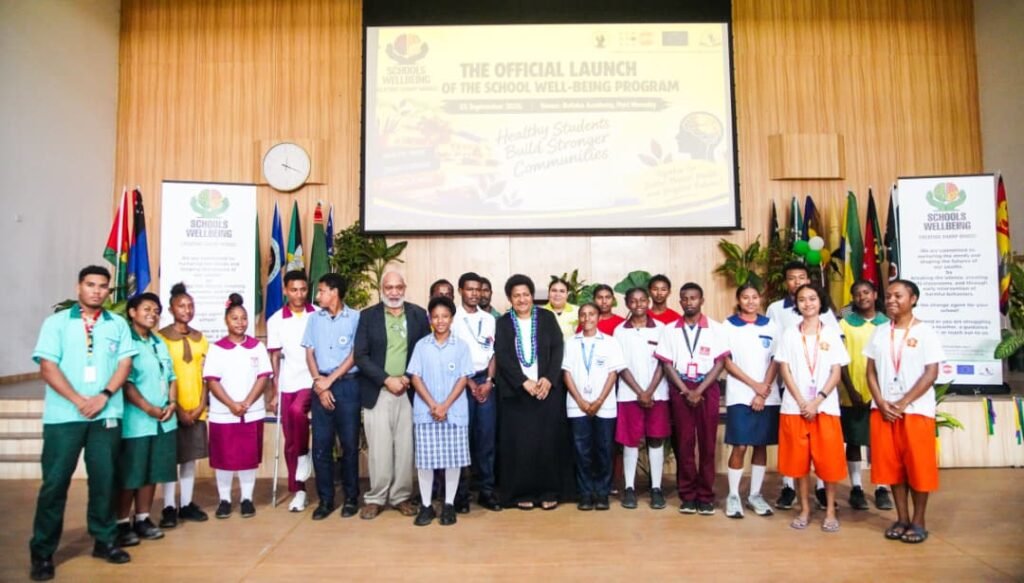
The School Mental Health Promotion Program is being delivered under the theme “Schools Wellbeing – Creating Sharp Minds.”
The program promotes nurturing young minds and shaping the futures of young people by breaking the silence around mental health, creating safe classrooms and encouraging early intervention for harmful behaviours.
Organisers are calling on schools and communities to become change agents by creating environments where students can discuss mental health openly, develop positive coping skills and seek appropriate support without fear of stigma.
The rollout will begin in the National Capital District before expanding to other parts of the country, with the Highlands identified as one of the next areas for implementation.