Kikori Rising Again: MRDC Investment Signals New Tourism and Trade Future
For generations, Kikori has been more than a remote outpost. Its rivers and waterways once made it an important centre of trade, linking the Gulf lowlands with the Highlands.
It was historically known for the production and trade of kina shells, with networks extending inland and connecting communities in the Highlands.
Now, Kikori is entering a new chapter of economic importance through tourism, transport infrastructure and modern investment.
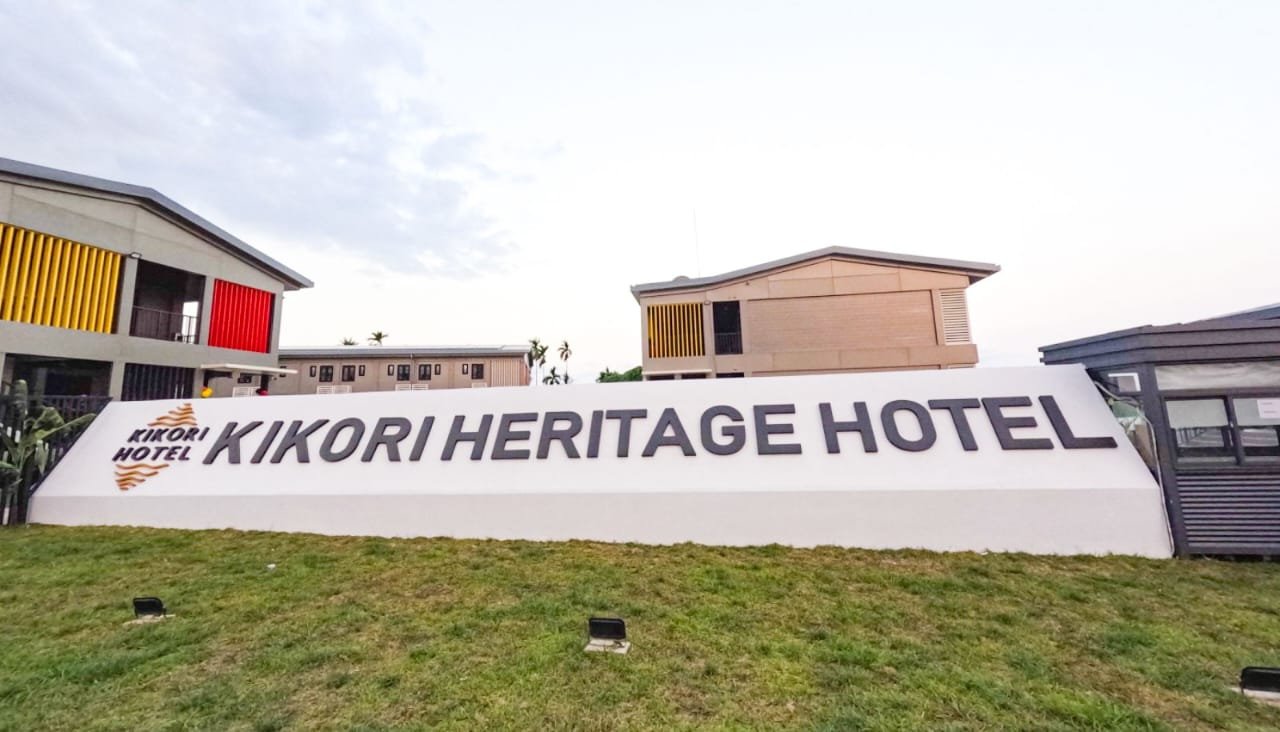
The grand opening of the Kikori Heritage Hotel on Friday, September 11, 2026, marked a significant step in that transformation, with the Mineral Resources Development Company (MRDC) and its subsidiary landowner companies investing approximately K60 million to establish a modern hotel in one of Papua New Guinea’s most remote locations.
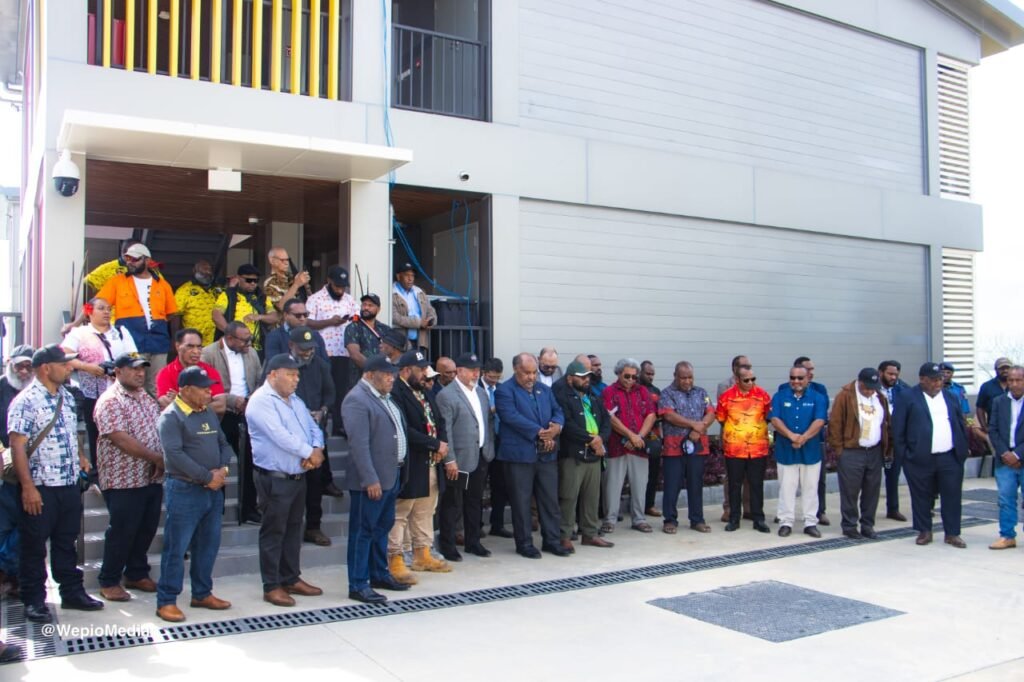
Prime Minister Hon. James Marape, who officially opened the hotel, congratulated MRDC and its subsidiary landowner companies, commending the prudent leadership of MRDC Managing Director Augustine Mano.
Marape said the hotel should be viewed as a catalyst for a much broader transformation of Kikori.
“The hotel is a catalyst. We will seal the roads into Kikori, upgrade the airstrip into an airport and build a port in Kikori that will transform Kikori into a major trading centre.”
Of the approximately K60 million invested in the hotel, almost 25 percent was spent on customs fees, tariffs, transportation, freight and logistics.
MRDC and its subsidiary landowner companies have also incorporated technology to overcome the challenges of operating in a remote location.
With no conventional electricity supply in Kikori, the hotel is fully powered by solar energy through solar panels, while water is sourced approximately 150 metres underground to reduce operational costs.
Mano said the project could serve as a model for developing modern facilities in rural Papua New Guinea.
“We are using technology to make this hotel profitable. It is a model for how facilities can be built in rural settings.”
He said the investment demonstrates the confidence Papua New Guineans can have in developing their own communities.
“No foreign investors will want to invest K60 million for a state-of-the-art hotel in a remote location like Kikori, but only us Papua New Guineans can. We will continue to invest in our local economy.”
The Kikori Heritage Hotel is part of MRDC’s wider strategy to diversify its investments beyond the extractive industries.
Mano said Papua New Guinea’s economy had been heavily dependent on extractive industries for the past 50 years, but MRDC was now deliberately shifting its focus towards tourism.
“The last 50 years, the economy of the country has been based on the extractive industry, but here at MRDC, we are taking steps to focus on tourism.”
The strategy extends beyond Kikori. Mano said the Kutubu Heritage Hotel is expected to open next month, the Kerema Heritage Hotel in November, while the Tari Heritage Hotel is also under construction.
He also pointed to MRDC’s investment in the Hilton Hotel in Port Moresby as an example of why major investments should not be discouraged by initial doubts.
“When we built the Hilton Hotel in Port Moresby, many people said the hotel would become a white elephant with no people going there, but it has been a major success. The same will be for the Kikori Heritage Hotel.”
The Prime Minister’s vision for Kikori extends beyond tourism. Its strategic location and waterways historically made it an important trading point between the Gulf and Highlands, and planned infrastructure could restore and expand that role.
Marape said the proposed port could create a new maritime gateway while supporting trade and logistics connected to Lae, Madang and Port Moresby.
Improved roads would reconnect Kikori with inland communities and the Highlands, while an upgraded airport would provide greater access for tourists, businesses and investors.
The Kikori Heritage Hotel is the first visible part of a broader vision for a town whose historical importance as a trading centre could once again become relevant to Papua New Guinea’s modern economy.